Fixed Clerestory Windows, Made to Your Opening
Non-operable glazing for the top of the wall, built to the rough opening you measure.

Fixed Clerestory Windows: What You Are Actually Buying
Fixed clerestory windows are non-operable units that sit above eye level, usually near the ceiling line or under the roof. You're not buying ventilation here. You're buying daylight that reaches the back of the room and a band of glass the neighbors can't see through. Aluminum-clad wood suits the job: solid wood on the inside face, aluminum cladding on the weather side.
The glass is where the real decisions live. Clerestory glazing faces up and often catches sun all day, so solar heat gain and glare matter more than they do on a north-facing bedroom window. The NFRC rates products on U-Factor, solar heat gain coefficient and visible transmittance, and those ratings are how you compare one build-up against another before you commit. See the National Fenestration Rating Council for how the label works.
One thing to settle early: a fixed unit cannot be tilted in for cleaning, and it has no crank, pole or motor to fail. That is the trade. If you want the band to open, say so at quote stage and we will price an awning or casement unit in the same row instead.
What Goes Into a Fixed Clerestory Unit
Frame, glass and finish choices that carry across the whole aluminum-clad wood range.
Wood Inside, Aluminum Out
The frame uses a 6063-T5 aluminum clad wood profile, casement thickness about 2.0 mm. Solid wood shows on the interior face where you see and touch it. Aluminum takes the rain, UV and freeze-thaw on the outside.
Glass Built for Height
Double or triple Low-E insulating glass, with a 33 mm notch. Built-in grille or lattice is available if the band needs to match the windows below. Triple glazing helps most on west and south clerestories.
Mulled Into One Band
Several fixed units join with mullions into a continuous row, so a long opening reads as one piece of glass rather than four windows. Send the full opening and we work the split.
Finishes That Match
Powder coating, anodizing and wood-grain finishes on the aluminum. Interior wood species include Burmese teak, black walnut, cherry and red rosewood. Pick the finish against the ceiling color, not in isolation.
Fixed Clerestory Window Specifications
These are the platform values the fixed units are built from.
| Profile | 6063-T5 aluminum clad wood |
|---|---|
| Casement profile thickness | about 2.0 mm |
| Glass notch | 33 mm |
| Glazing | double or triple, Low-E |
| Interior wood species | Burmese teak, black walnut, cherry, red rosewood |
| Aluminum finishes | powder coating, anodizing, wood-grain |
| Screen | insect screen available |
| Minimum order | 2 square meters |
| Production time | 25-30 business days |
Final glass build-up, wood species and finish depend on the configuration you order.
Where to Go Next
Four pages that answer the questions this one raises.
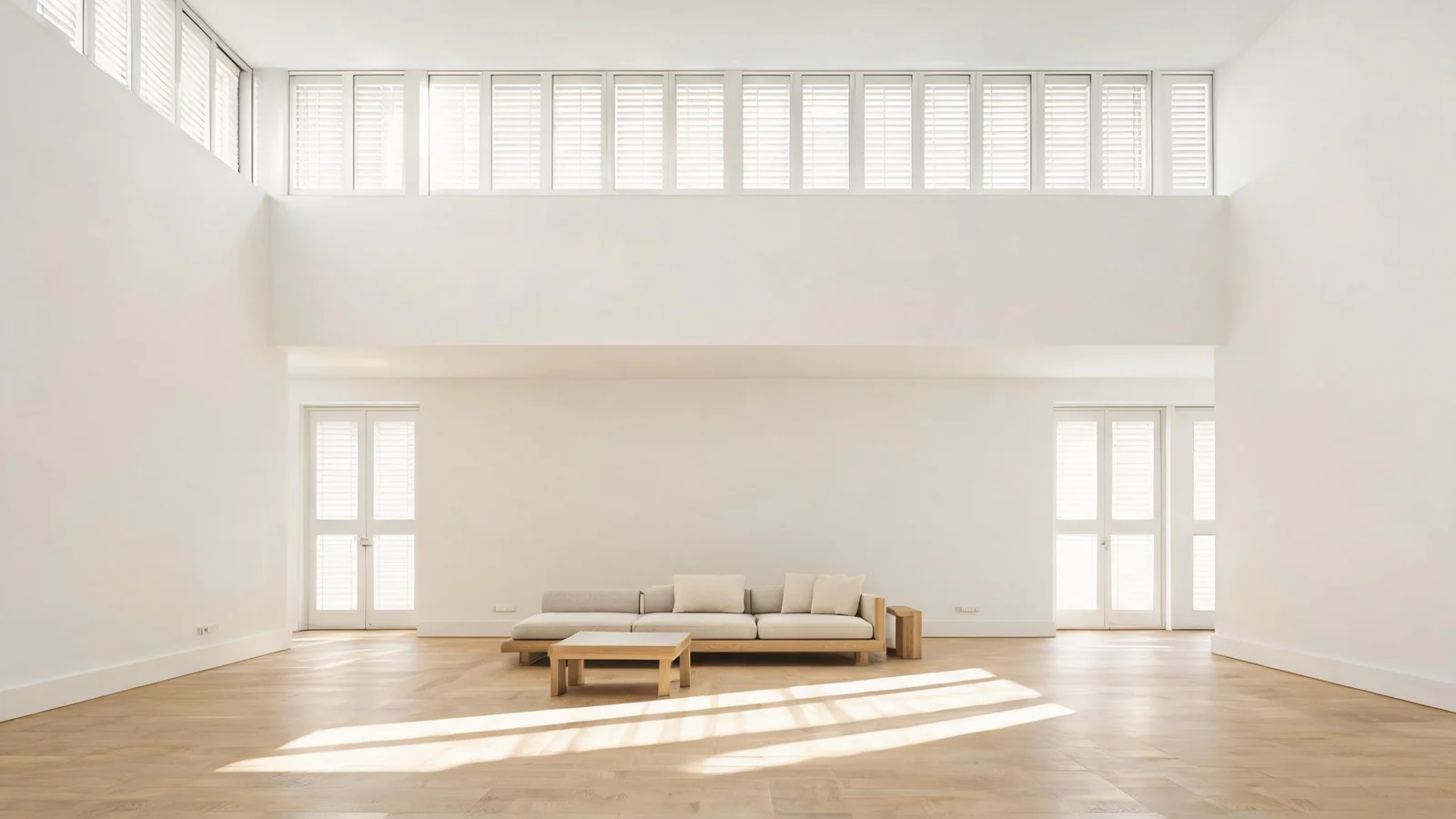
What Are Clerestory Windows
The plain explanation of what clerestory windows are and why builders use them.
View details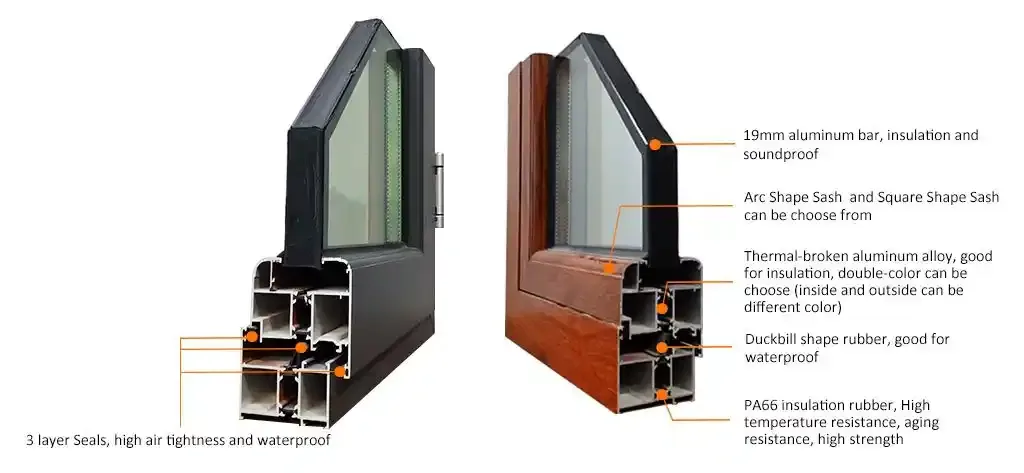
Wood Clad Windows
The full aluminum-clad wood range, from casement to sliding and awning units.
View details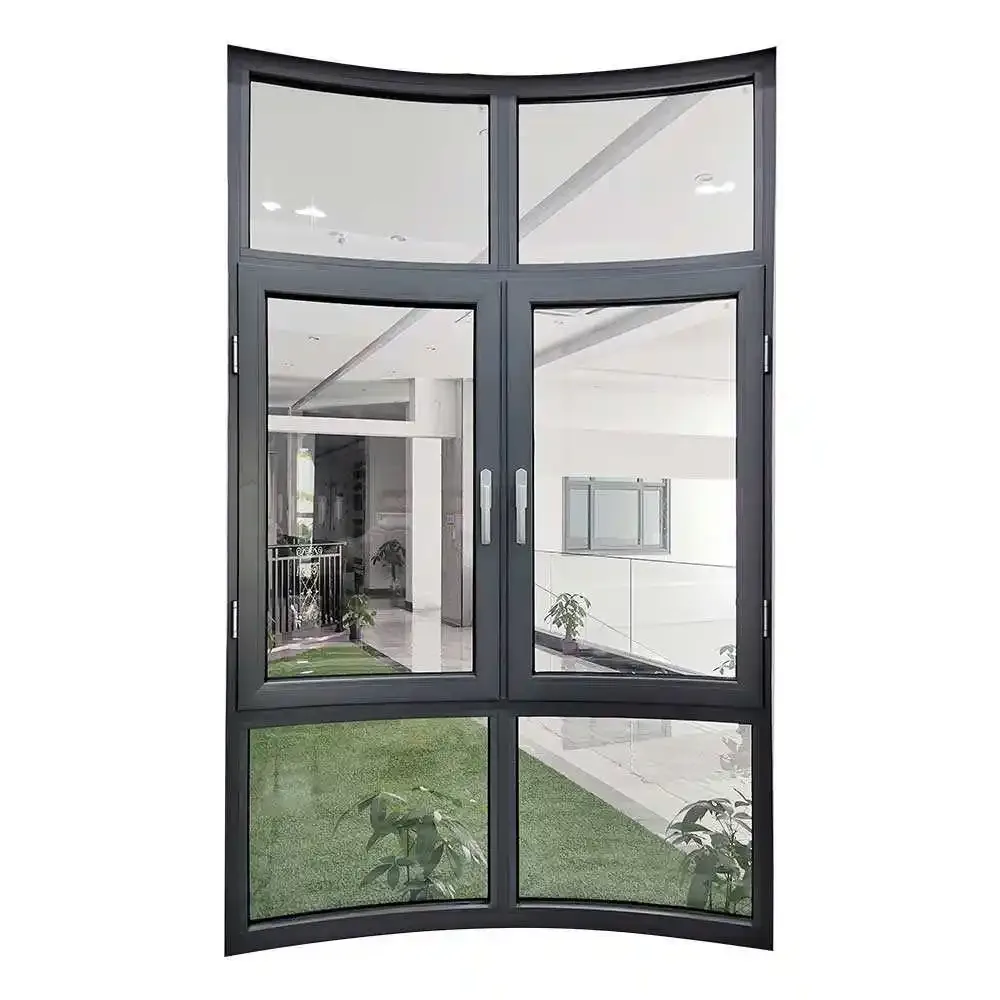
Aluminum Clad Wood Casement Windows
Aluminum clad wood casement windows, the operable option for the same wall.
View details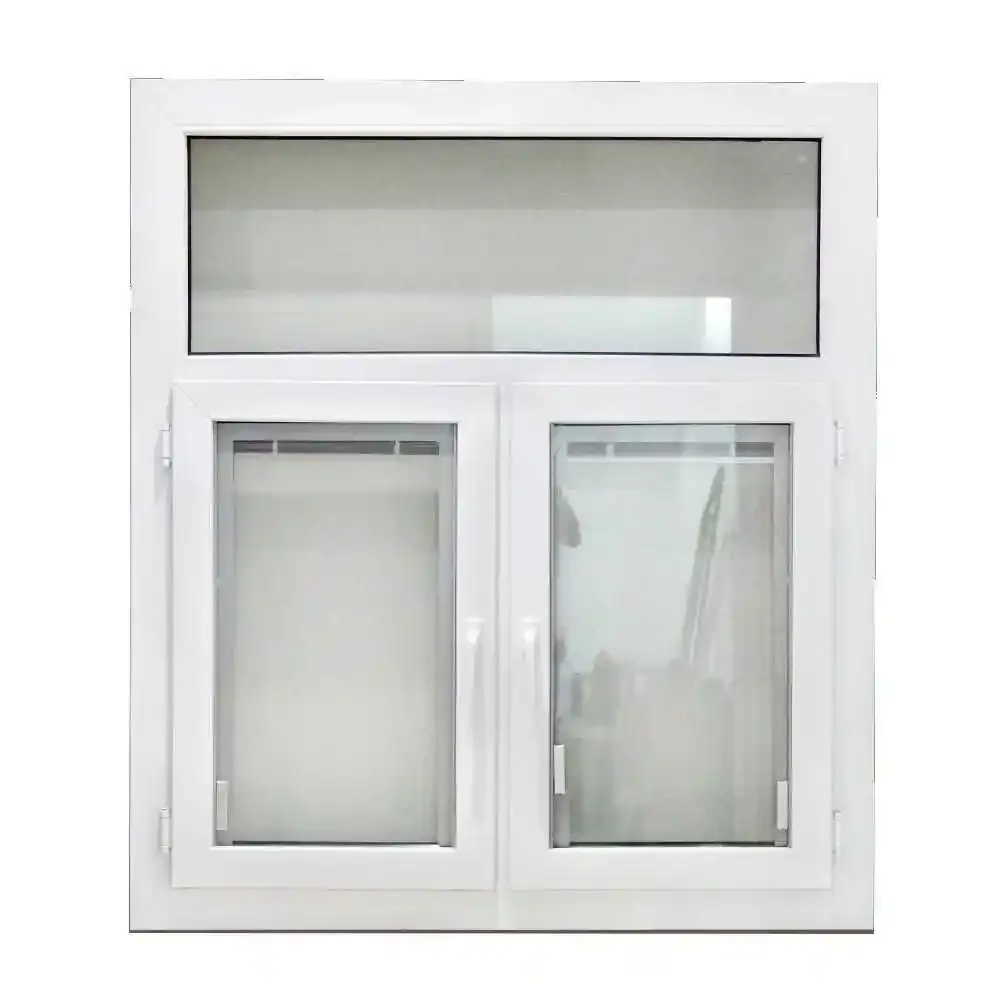
Aluminum Clad Wood Single Hung Windows
Aluminum clad wood single hung windows with a tilt-in sash for easy cleaning.
View detailsSizing the Band and Detailing the Head
Clerestory units are made to the rough opening, not pulled from a stock list. Measure the opening at three points, left, center and right, and take the smallest figure. Do the same for height. The finished unit comes in smaller than the opening. If the opening is out of square, tell us the numbers you measured rather than an average. A band that runs twelve feet usually gets split into two or three fixed units with mullions, and where those mullions land is a design call you can make before we cut anything.
The head detail matters more than the frame color on a clerestory. Water sits at the head and the sill, and a unit tucked under an overhang or right at the roofline has less room for error than a window in the middle of a wall. Flashing, a drip edge and a drained sill are the parts to get right. Ask any supplier for the head and sill detail drawing before you order, and check that it matches how your wall is actually built. We provide installation videos, written guidance and remote assistance after the goods arrive.

Questions buyers ask
What are the disadvantages of clerestory windows?
They are hard to reach, so cleaning means a pole or a long-handled tool, and a fixed unit cannot be tilted in. They add no stack ventilation on their own. High placement also means more direct sun, so glare and solar heat climb unless the glass build-up is chosen for that exposure. None of these are deal-breakers. They are things to decide before you order.
What are the different types of clerestory windows?
The main split is fixed versus operable. Fixed units are non-operable glazing, which is what this page covers. Operable options include awning windows hinged at the top and casement windows hinged at the side, both of which can sit in the same band. Shapes run from a plain rectangle to arched, gable and other custom profiles.
What are the disadvantages of fixed windows?
No ventilation and no tilt-in cleaning. You also lose the ability to open the unit on a hot day, so a room that relies only on fixed glazing needs another air path. On the plus side, there is no crank, hinge or motor to service, and the frame is simpler, which helps with air leakage and cost.
What is the difference between a clerestory window and a transom window?
A transom sits directly above a door or another window, as part of that same assembly, and it is usually narrow. A clerestory sits high on the wall near the ceiling or roofline, often as a band running across the room. Both can be fixed. The distinction is position and purpose, not the hardware.
Send Us Your Opening Size
Give us the rough opening, quantity and elevation, and we will quote within 3 hours.