Aluminum Clad Wood Casement Windows
Solid wood inside, weatherproof aluminum outside, built for outward opening performance.
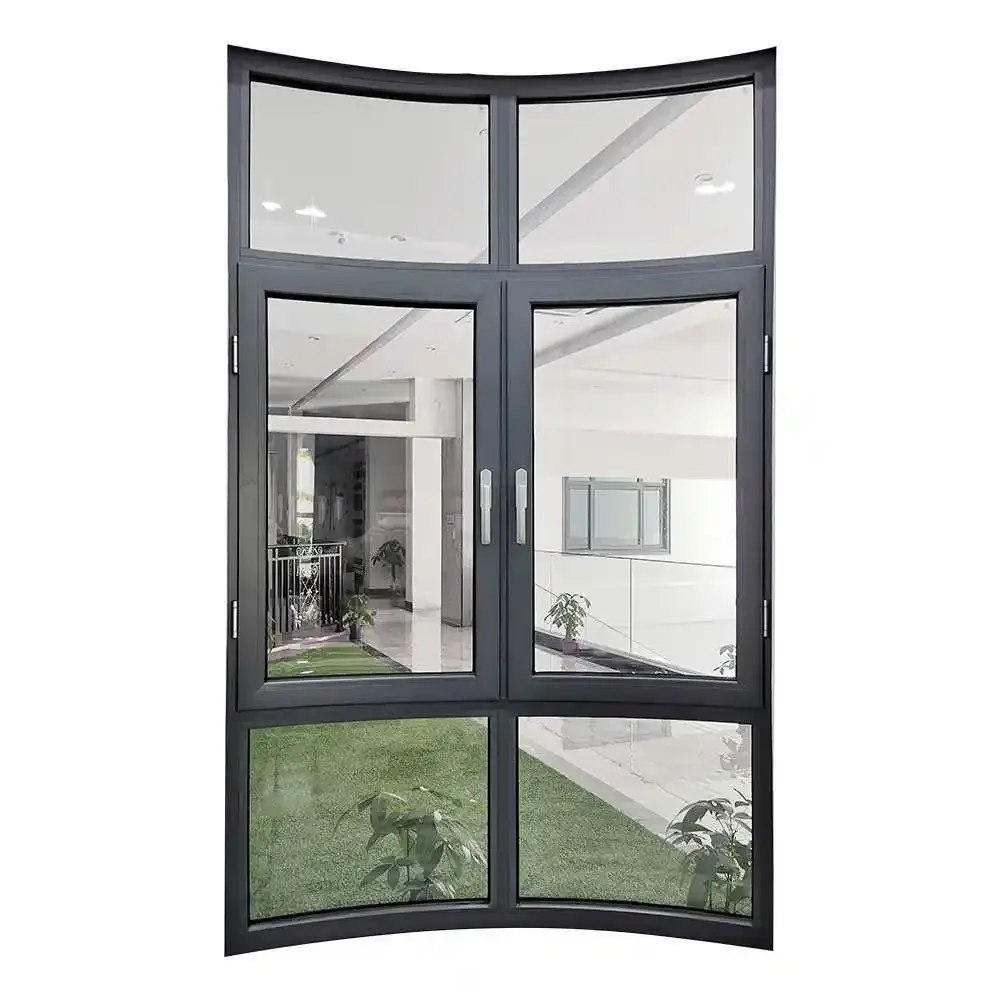
A Casement Window That Works Hard and Looks Right
Aluminum clad wood casement windows combine a warm wood interior with a protective aluminum exterior. The 6063-T5 aluminum cladding shields the wood from rain, sun, and wind, while the interior keeps the natural look many homeowners want. This design suits modern residences, villas, offices, and hotels where both durability and appearance matter.
The casement sash opens outward on side hinges, giving you full top-to-bottom ventilation when open and a tight seal when closed. Multi-point locking hardware pulls the sash firmly against the frame, which helps reduce air leakage and improve security. You can choose from several wood species and aluminum finishes to match the building.
WANJIA Hiseng builds these windows for bulk orders and OEM/ODM projects.The factory in Foshan, China, covers 219,325 sq ft and runs advanced CNC machining centers and auto assembly lines. We ship worldwide, with a strong focus on the North American market.
Key Specifications for Aluminum Clad Casement Windows
The following values apply to the standard casement configuration. Options may change some dimensions or hardware.
| Aluminum profile | 6063-T5 |
|---|---|
| Cladding thickness | 2.0 mm |
| Glass notch | 33 mm |
| Hardware brands | ROTO, SIEGENIA, CMECH |
| Wood species | Burmese teak, black walnut, cherry, red rosewood |
| Glass options | Double, triple, Low-E |
| Surface finishes | Powder coating, anodizing, wood-grain |
| Screen | Insect screen available |
| Operation | Outward opening casement |
Final specifications depend on the project requirements and the options you select.
What Makes These Casement Windows Perform
Each feature is designed to support daily use, weather resistance, and long-term value.
Weather-Resistant Cladding
The 6063-T5 aluminum exterior, about 2.0 mm thick, protects the wood sash from moisture and sun damage while reducing maintenance.
Multi-Point Locking
German hardware from ROTO, SIEGENIA, and CMECH engages at multiple points around the sash for a firm seal and better security.
Thermal Performance Options
The 33 mm glass notch accepts double or triple glazing, including Low-E coatings, to help control heat loss and solar gain.
Natural Wood Interior
Choose Burmese teak, black walnut, cherry, or red rosewood for a warm interior look that suits both modern and traditional styles.
Built for North American Projects
Builders and dealers often need windows that can handle a range of climates and code requirements. The aluminum cladding on these casement windows resists corrosion and fading, while the wood interior provides a stable, attractive surface. Because the sash opens outward, you get full ventilation without losing interior space. The multi-point locking system helps the sash stay tight against the weatherstripping, which supports better air and water performance.
For architects and homeowners, the material choices matter. You can specify the wood species, aluminum color, glass package, and hardware brand to match the project. The factory supports OEM and ODM orders, so custom sizes and configurations are possible. After the order ships, you receive installation videos and guidance, and the technical team can assist remotely until the project is finished.
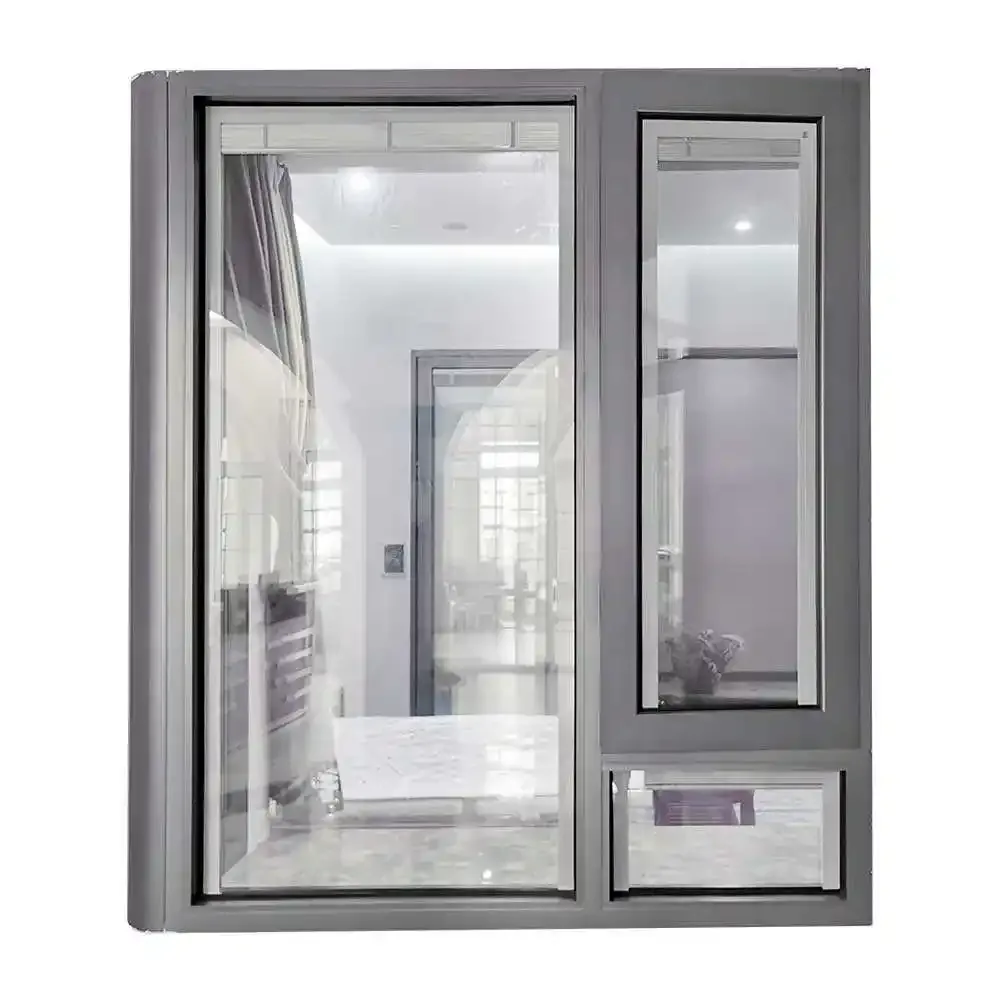
See the Casement Window Details
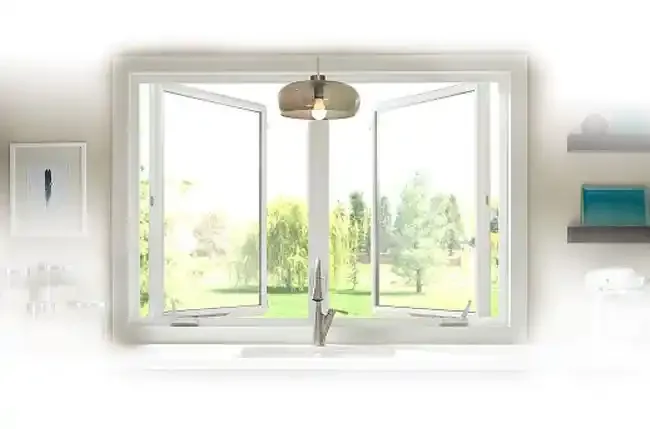
Other Aluminum Clad Wood Window Types
If a casement window is not the right fit, consider these related products from the same line.
- Wood Clad WindowsOverview of wood clad windows with aluminum exterior and solid wood interior.
- Aluminum Clad Wood Single Hung WindowsAluminum clad wood single hung windows with vertical sliding and tilt-in sash.
- Aluminum Clad Wood Sliding WindowsAluminum clad wood sliding windows with smooth horizontal operation.
- Aluminum Clad Wood Awning WindowsAluminum clad wood awning windows hinged at the top and pushed outward.
Outward Opening Windows: How Casement Operation Compares
- 01Casement Versus Awning Operation
Weighing an awning casement window against a side hung unit? Start with the direction of travel. Casement sashes are side hung. Windows that open out clear the full opening, so you get top to bottom ventilation. Awning windows hinge at the top and push outward, which lets you leave them open in light rain. Both are outswing windows. Both pull tight against the frame with multi-point locking hardware from ROTO, SIEGENIA, or CMECH.
- 02Clearance For Outswing Windows
Single hung and sliding windows move inside their own frame. They never project past the exterior wall. That matters on walkways, balconies, and upper floors, where windows swing open into foot traffic or a nearby railing. Wind out windows need clear space for the sash to travel. Check exterior clearance before you finalize the rough opening. Measure the wall face, not the frame line.
- 03Large Openings And Custom Options
For large windows that open, a casement usually beats a single sash unit. Pair two or more sashes in one frame, or set a fixed window beside an operating one. When windows open outward, the sash sits outside the interior, so the room side stays clear for furniture and curtains. The 33 mm glass notch takes double or triple Low-E glazing. Wood interior comes in Burmese teak, black walnut, cherry, or red rosewood. WANJIA Hiseng produces these windows in Foshan for bulk and OEM/ODM orders, with a focus on the North American market.
Questions buyers ask
What hardware brands are used on aluminum clad casement windows?
Standard casement windows use German hardware from ROTO, SIEGENIA, and CMECH. These brands provide multi-point locking systems that pull the sash tight against the frame. The exact brand depends on the project specification and the options you choose. All hardware is sourced from established manufacturers known for consistent quality.
Can I get triple pane glass in an aluminum clad casement window?
Yes. The glass notch is 33 mm, which accepts double, triple, and Low-E glass packages. Triple pane glass can improve thermal insulation and reduce condensation. You can also add a built-in grille or lattice between the glass panes. The final glass configuration depends on your climate zone and performance targets.
What wood species are available for the interior?
For casement windows, you can choose Burmese teak, black walnut, cherry, or red rosewood. Each wood has a different grain pattern and color. The wood is protected on the outside by the aluminum cladding, so it stays dry and stable. The interior surface can be finished to match your trim or left natural.
How long does it take to get a quote for aluminum clad casement windows?
After you send project details such as sizes, quantities, glass options, and hardware preferences, you will receive a quote within 3 hours on average. The lead time for production is usually 25-30 business days, depending on the design, materials, and order volume. Shipping time is additional and depends on the destination.
Do outswing windows work on upper floors?
Yes, but plan the exterior clearance first. An outswing casement projects past the wall when open, so check for railings, walkways, or roof overhangs that could block the sash. If clearance is tight, an awning window hinged at the top is another option. Both use the same multi-point locking hardware and seal against the frame when closed.
Can I mix windows that swing open with fixed glass?
You can combine operating casements with fixed units in one opening. This gives you ventilation where you need it and a clear view where you do not. The fixed and operating sashes share the same 6063-T5 aluminum cladding and wood interior options, so the finished elevation looks consistent from inside and out. Final sizes depend on your rough opening and project requirements.
Get a Quote for Casement Windows
Send your project details and receive a quote within 3 hours.