Window Cladding for Aluminum Clad Wood Windows
A factory look at the aluminum skin that protects the wood window behind it.

What Window Cladding Actually Is
Window cladding is the finished exterior skin on a wood window. On our aluminum clad wood windows, the frame and sash are solid wood on the inside and 6063-T5 aluminum on the outside, and the aluminum wraps the outer face of both. It's factory applied, not a site job. That's the whole point. The wood stays wood where you see it, and the weather hits metal.
People mix this up with window wrap, so here's the split. Wrap is a weather barrier that goes behind the siding, around the rough opening, before the window goes in. Cladding is part of the window itself, a finished cover that ships on the unit. One keeps bulk water off the wall assembly. The other keeps rain, UV and freeze-thaw off the wood.
Why bother with two materials? Wood is warm, quiet and easy to shape. Aluminum doesn't rot, warp, fade or need repainting. Put them together and you get the interior look without the exterior maintenance. A buyer who has repainted failing wood sills every few years will recognize the trade.
What the Cladding Brings to the Window
Four things the aluminum skin does for the unit, and one it doesn't.
Profile and thickness
The 6063-T5 aluminum clad wood profile runs about 2.0 mm wall thickness on casement units and about 1.5 mm on sliding units. That's extrusion wall, not a foil or a laminate. It holds shape through handling and installation.
Finish that lasts
Powder coating, anodizing and wood-grain finishes, all applied in the plant under a full architectural color system. Factory cure beats site painting on UV fade and chalking. You also skip the masking and touch-up work on the job.
Weather protection
The aluminum sheds rain and blocks UV before either reaches the wood core. That's why the wood behind it doesn't check, twist or gray the way an exposed frame does. It also means you're not refinishing the exterior every few seasons.
Not the insulator
Cladding alone doesn't insulate. The thermal break in the frame, the insulating glass and the seals do that work. Buyers sometimes assume the metal skin is the energy feature. It isn't. It's the armor around the parts that are.
Aluminum Clad Wood Window Specifications
Core specs for the aluminum clad wood platform. Options depend on the operating type and the order.
| Cladding profile | 6063-T5 aluminum clad wood profile |
|---|---|
| Casement wall thickness | about 2.0 mm |
| Sliding wall thickness | about 1.5 mm |
| Interior wood (casement, awning, sliding) | Burmese teak, black walnut, cherry, red rosewood |
| Interior wood (single-hung) | American oak standard, plus Burmese teak, dark walnut, cherry, rosewood |
| Glass | double or triple, Low-E, 33 mm notch, built-in grille or lattice option |
| Hardware | ROTO, SIEGENIA, CMECH on casement; CMECH, HOPPE, HOPO, KINLONG on sliding and awning; Caldwell handles on single-hung |
| Locking | multi-point locking system |
| Exterior finish | powder coating, anodizing, wood-grain finishes |
Wall thickness, wood species, glass build and hardware vary by operating type and by the configuration you order.
Clad Window Types on This Site
Same aluminum-clad wood platform, different ways to open it.
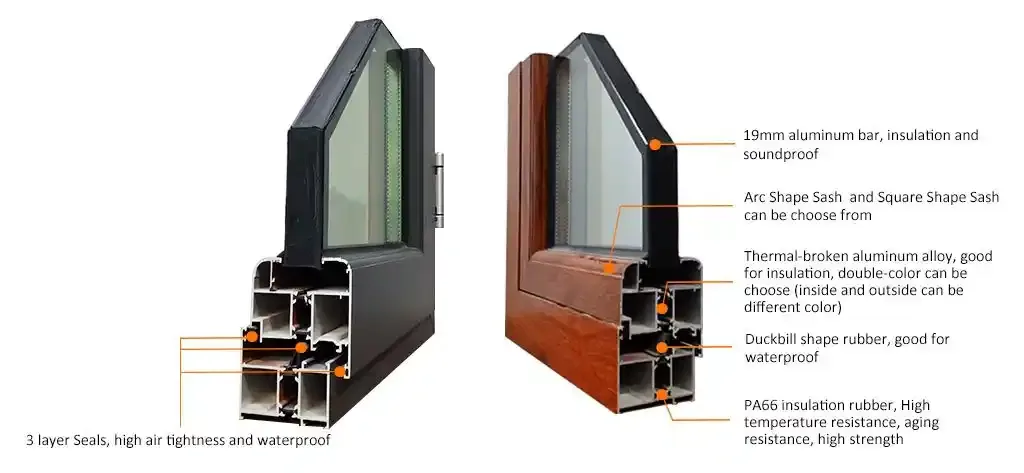
Wood Clad Windows
The full wood clad window range, with solid wood inside and aluminum outside.
View details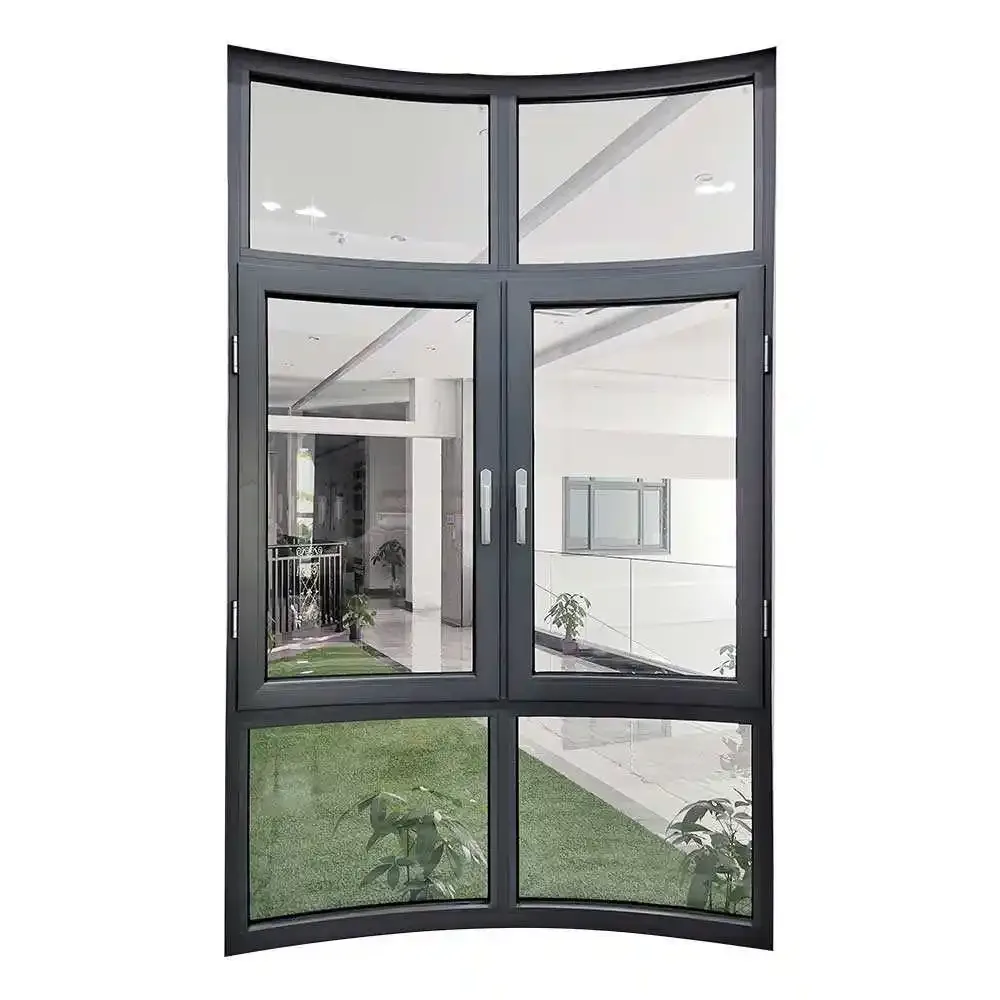
Aluminum Clad Wood Casement Windows
Aluminum clad wood casement windows, hinged to open outward, with ROTO and SIEGENIA hardware.
View details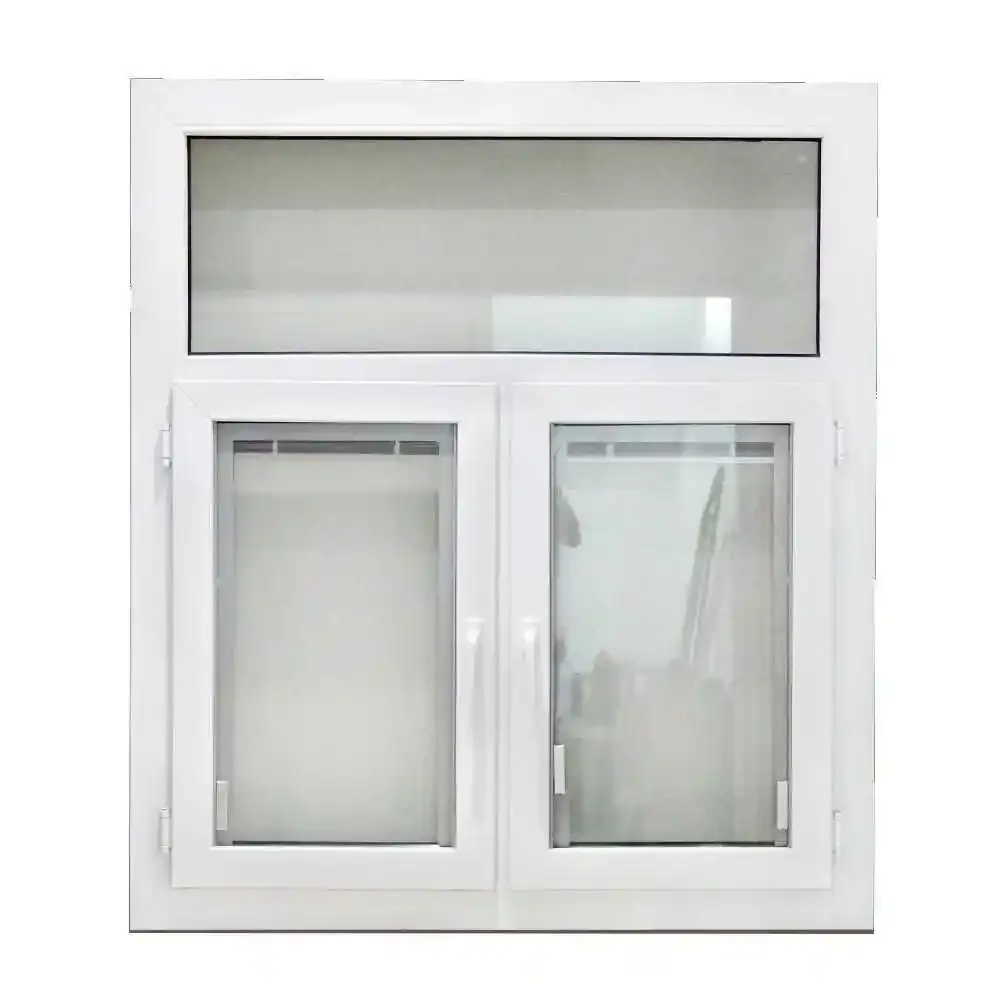
Aluminum Clad Wood Single Hung Windows
Aluminum clad wood single hung windows with a vertical sliding sash and tilt-in cleaning.
View details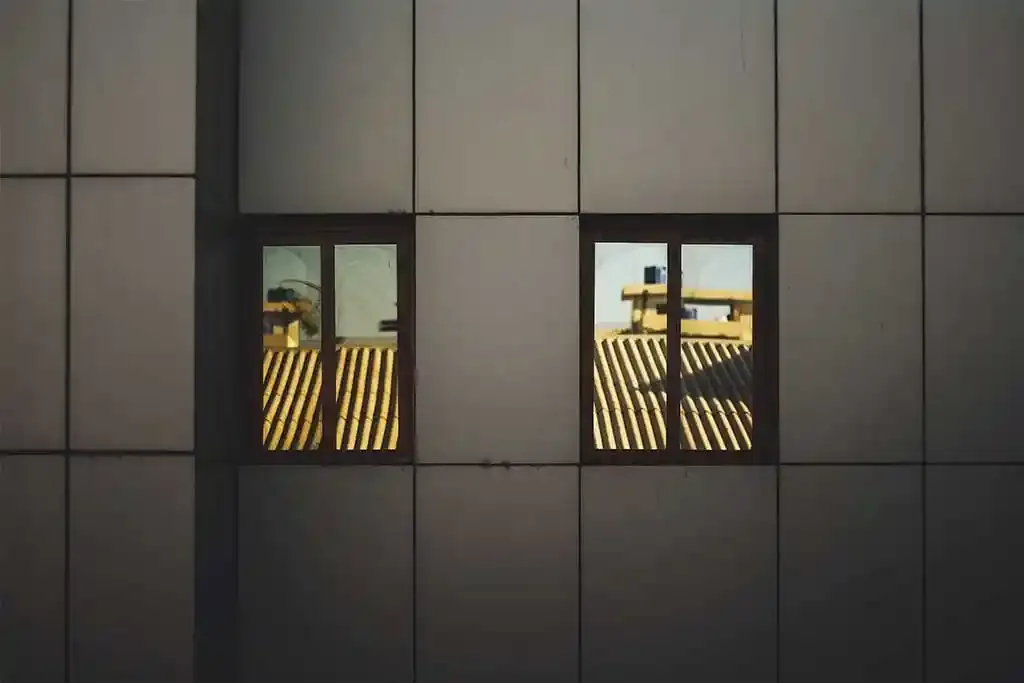
Aluminum Clad Wood Sliding Windows
Aluminum clad wood sliding windows for wide openings where a swinging sash won't work.
View detailsChoosing the Cladding and Specifying It
Aluminum isn't the only skin out there, so weigh it honestly. Vinyl costs less and shrugs off moisture, but the color list is short and the profiles are chunkier. Fiberglass and composite move at a rate close to glass, which keeps seals tight, and they cost more. Aluminum gives you the widest color range, the best dent resistance and the least maintenance. If you're specifying for a coastal or high-UV job, that last part matters more than the frame color.
On the purchase order, write four things and you'll avoid most back-and-forth. One, cladding material and finish: 6063-T5 aluminum, powder coat, anodized or wood grain, with the color reference. Two, interior wood species. Three, glass build and the 33 mm notch. Four, hardware brand and locking. Put the rough opening dimensions on the drawing, measured at three points and taken at the smallest. The finished unit comes in smaller than the opening.
Questions buyers ask
What is cladding on a window?
It's the protective exterior skin on a wood window. On our units, 6063-T5 aluminum covers the outside face of the frame and sash, while the inside stays solid wood. It's applied at the factory and ships as part of the window, so there's no site painting or wrapping of the frame itself.
What exactly is cladding, and what is an example?
Cladding is a finished cover over a structural core. An aluminum clad wood casement window is a clean example: solid wood frame and sash inside, aluminum extrusion outside, powder coated or anodized before it leaves the plant. The wood carries the shape and the interior look. The aluminum takes the weather.
Window cladding vs window wrap: what is the difference?
Cladding is part of the window and covers the frame and sash. Window wrap is a weather barrier installed around the rough opening behind the siding, before the window goes in. One is a finished exterior surface. The other manages water in the wall assembly. You can have both, and on most jobs you should.
Can the cladding be repaired or replaced later?
Minor scuffs on a powder coated or anodized surface can often be touched up. A dented or damaged section is a different job, and what's possible depends on the unit and how it was installed. Send photos and the order details, and our team will tell you what the options are. Warranty depends on the specific product and contract terms.
Send Us Your Opening Sizes
Tell us the rough opening, the wood species and the finish. We'll reply within 3 hours.