Why Removal Matters
Taking a window out is usually the first step in a bigger job. Maybe you're replacing a damaged unit, changing the style, or prepping an opening for a custom size. How you remove the old window affects the final install. Clean removal keeps the rough opening intact. It saves time and cuts the chance of air or water leaks later.
WANJIA Hiseng builds aluminum clad wood windows for precise installation. We make each unit to the measurements you give us, so the opening has to be square and undamaged. Rush the removal and tear the surrounding frame, and you're repairing the wall before the new window goes in. That adds cost and delays the project. The rough opening is your responsibility.
This guide covers the basic steps for removing a typical residential window. It also explains how retrofitting works and what to do with old storm windows. The process is similar for most frame types, but always check the manufacturer's instructions for your specific window.
Tools and Prep
Get a pry bar, utility knife, hammer, screwdriver or drill, and a putty knife. Put on safety glasses and work gloves. Large or heavy windows need a helper. Some weigh more than they look, especially with glass still in the sash.
Clear the area around the window, inside and out. Move furniture, drop a cloth on the floor, take down curtains or blinds. For an upper floor window, set up a stable ladder outside. Never work from a ladder that isn't secure.
Check the weather before you start. Removing a window opens your home to the outside, so skip rainy or very windy days. Cold weather can force the job, but have a temporary cover ready like plywood or heavy plastic. Don't leave the opening exposed overnight.
Getting the Window Out
1. Remove the Sash
Most windows have one or more movable sashes. On a single hung, the bottom sash slides up. A casement sash swings out. Unlock it and open it partway first. Then find the stops, the thin strips of wood or vinyl that hold the sash in its tracks. Use a putty knife or flat pry bar to ease them off. If you might reuse them, set them aside.
With the stops out, you can lift the sash from the frame. On a double hung, you'll often need to tilt the sash inward first. Some sashes have pivot pins or release clips. Press or turn those to free the sash. Don't force anything. If it sticks, look for paint or caulk sealing it. A utility knife cuts through that. Work carefully and the sash will come out.
2. Remove the Fixed Sash or Glass
A fixed sash, like the top sash of a single hung, comes out differently. Look for screws or clips holding it to the frame. Remove them, then pry the sash out gently. If the glass is glazed directly into the frame, you need to remove the glazing beads. These strips hold the glass in place. Start at one corner with a putty knife and work around.
Once the beads are off, lift the glass out. Wear thick gloves and handle it carefully. For cracked glass, tape it with duct tape in a crisscross pattern first. That keeps it from shattering into big pieces.
3. Remove the Frame
With sashes and glass gone, the frame is left. It attaches to the rough opening with nails or screws. Look for fasteners around the perimeter. Caulk or paint may hide them. Use a screwdriver or drill for screws. For nails, a pry bar or cat's paw pulls them out.
Once the fasteners are out, start prying the frame away from the opening. Work slowly and evenly. Insert the pry bar between the frame and the wall studs. Apply gentle pressure. Don't pry against the drywall or siding, or you'll damage it. If the frame is stubborn, check for more fasteners or shims. Shims are small wedges used to level the window. Remove them as you go.
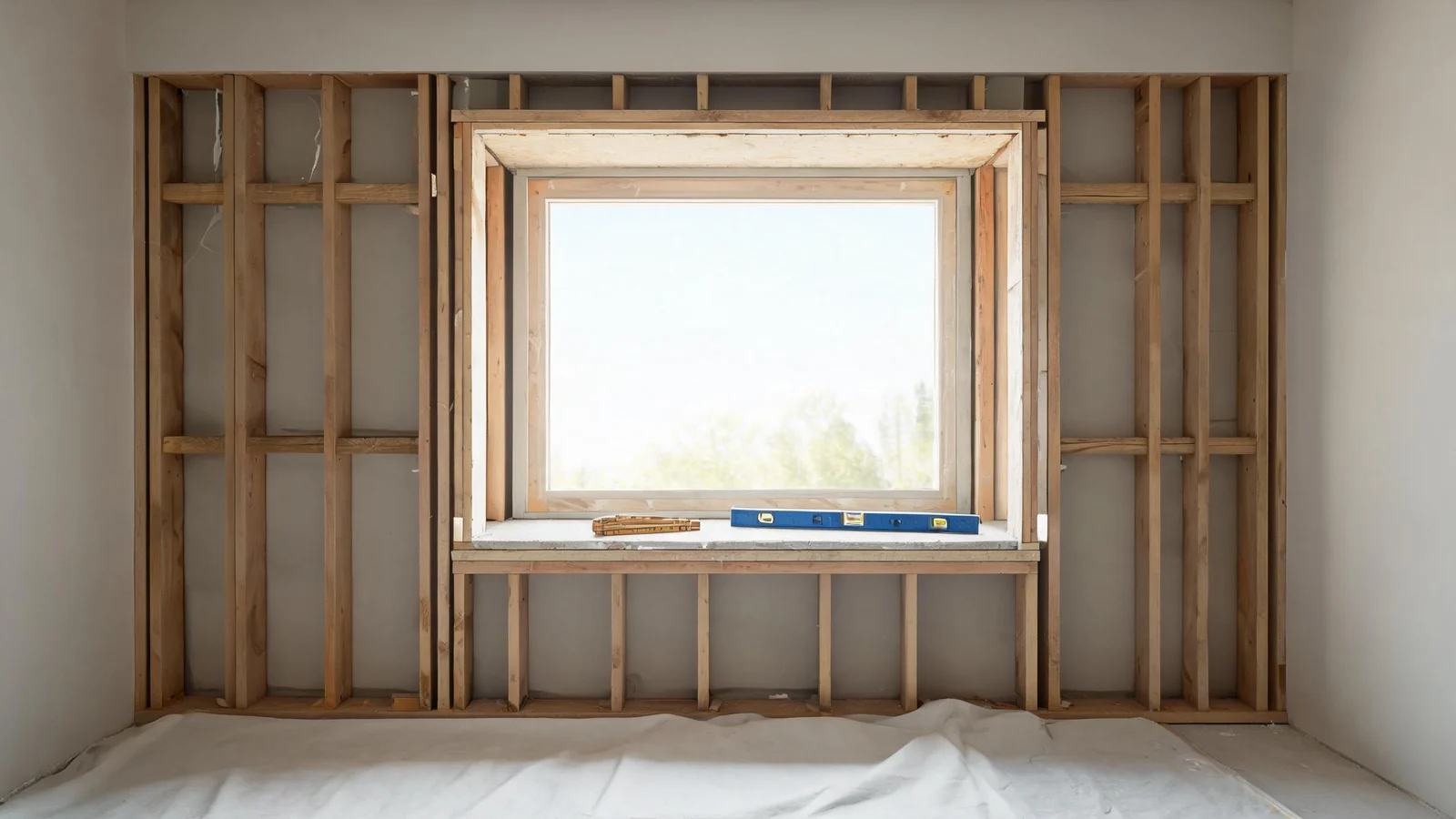
After the frame is out, inspect the rough opening. Remove old caulk, nails, or debris. Check for rot or water damage. Soft or discolored wood needs repair before installing the new window. This matters for a custom size window, because the opening must match the new unit's dimensions exactly.
What Is Retrofitting Windows?
Retrofitting means replacing windows without taking out the whole frame. You insert a new window unit into the existing frame. It makes sense when the old frame is still solid and you don't want to disturb the surrounding wall. Retrofit jobs usually cost less and move faster than full frame replacements.
But know the limits before you commit. The new window has to fit inside the old frame, so the glass area ends up slightly smaller. You also cannot change the window's size or shape. If you want a custom size, the old frame must come out completely and a new rough opening goes in.
WANJIA Hiseng builds windows to order, so you can specify the exact dimensions you need. Accurate measurements matter whether you're retrofitting or doing a full replacement. The factory's technical team can provide a measurement solution to help you get the right numbers. And once the window arrives, installation videos and guidance walk you through the process.
Getting Old Storm Windows Off
Older homes often have storm windows added for insulation and weather protection. If you are pulling the primary window, the storm window usually has to come out first. Most mount on the outside with screws or clips. Undo the fasteners. Lift the storm window up and out of its track.
Some storm windows are heavy, especially the ones with glass panes. Get a helper to hold it while you remove the fasteners. Set the window aside carefully. Reuse it or store it dry. If you are putting in a new aluminum clad wood window, you may not need the storm window at all. Double or triple pane glass in the new unit insulates better than a single pane storm. When you order a custom size from WANJIA Hiseng, pick the glass package that suits your climate. Options are double pane, triple pane, and Low-E coatings. And the factory cuts a 33 mm notch for the glass, which takes those configurations. So you can take the old storm window off and let the new one do the work.
Mistakes That Come Up Most
Getting the rough opening measurement wrong happens all the time. Check the top, bottom, and sides with a level. Then measure width at top, middle, and bottom, and height at left, center, and right. Order a custom size window using the smallest measurements. That's the number that matters, because it tells you the most restrictive dimension you have to work with.
Wall damage is another common problem. Prying too hard can crack drywall or tear siding, and that turns a window job into a drywall job. Work slowly, use the right tools, and if you're unsure about a step, WANJIA Hiseng has installation guidance. They offer remote assistance to walk you through the process.
After the new window is in, seal the opening properly. The gap between the window frame and rough opening needs insulation and a seal of caulk or flashing. Otherwise air and water get in. You'll feel it on the first windy day. The installation videos from WANJIA Hiseng cover this step in detail.
When to Call a Pro
Most homeowners can pull a window. Some jobs need a contractor. A big picture or sliding unit is heavy and awkward. That makes removal dangerous. And if the frame is rotted or the wall is damaged, someone has to repair the opening before the new window goes in.
Working above the first floor is different. Handling a heavy window from a ladder or scaffold is risky, so a pro with the right equipment is the safer call. WANJIA Hiseng does not do on-site installation, but the factory provides installation videos and remote assistance to support your installer or your own effort.
Builders and dealers see this as one step in a bigger job. WANJIA Hiseng works with OEM and ODM partners, supplying windows in bulk orders with worldwide shipping. The technical team can help with measurements and specs so the windows fit the prepared openings. Lead time is usually 25-30 business days, depending on design and order volume.
| Window Type | Removal Notes |
|---|---|
| Single hung | Remove bottom sash first, then top sash; tilt-in sashes have pivot pins |
| Casement | Unscrew hinges from frame; sash swings out for easy access |
| Sliding | Lift sash out of track; remove fixed panel by unscrewing frame stops |
| Awning | Similar to casement; hinges at top, so support sash while removing |
More styles and specs are on our aluminum clad wood windows page. Planning a full replacement? Read the guide to clad windows.