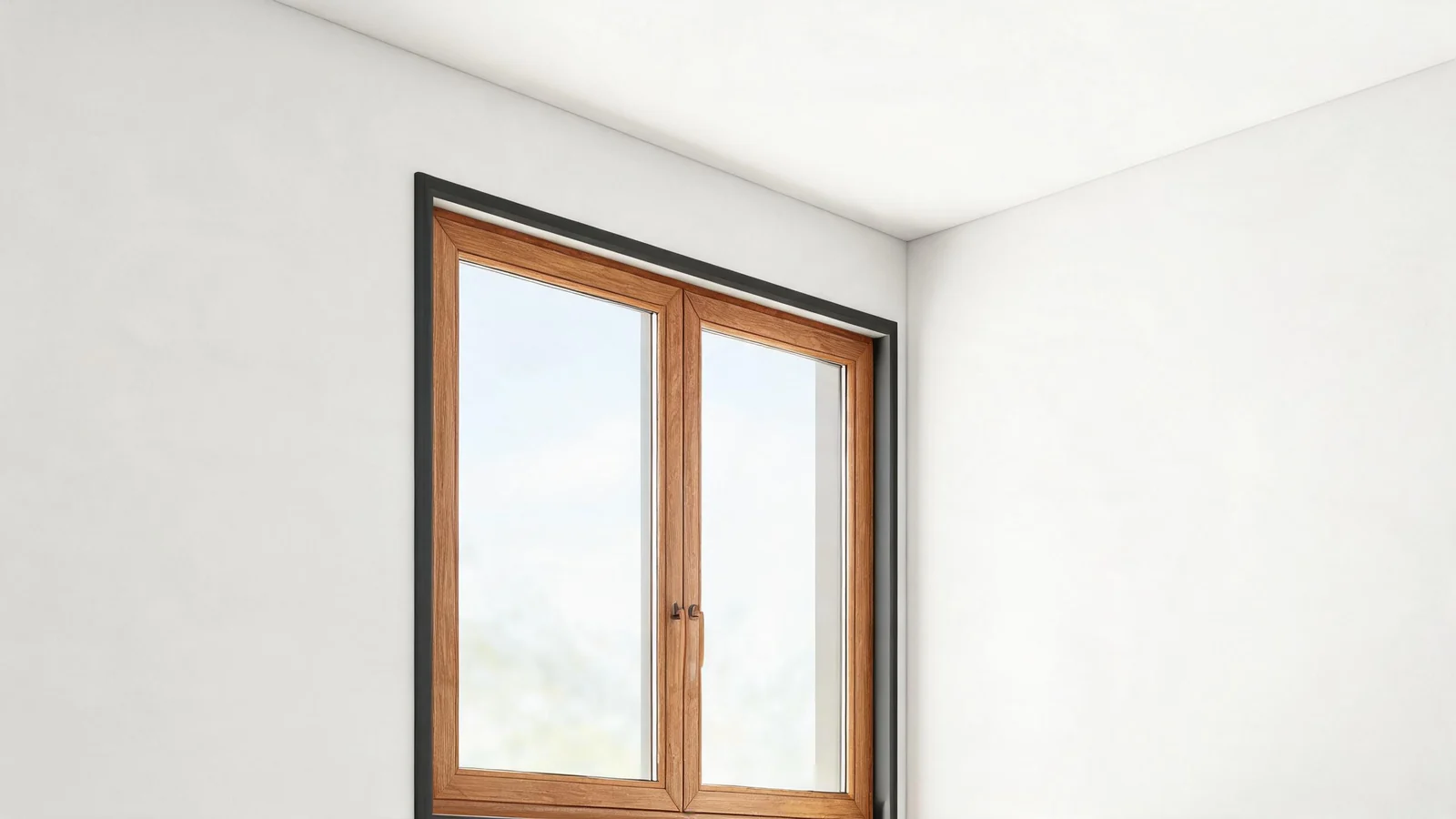
The Basics of Cladding
Cladding is a protective layer on the outside face of a frame. In most modern construction, that layer is aluminum. It covers the wood on the outside. The shell takes rain, snow, sunlight, and wind. Inside, the natural wood stays visible and touchable. You get the strength of metal and the warmth of wood in one frame.
Cladding is not paint or a thin film. It is a formed metal profile wrapped around the wood. The profile is typically powder coated or anodized, which adds another level of protection against corrosion and fading. So the wood inside stays dry while the aluminum takes the weather. And that's the whole point.
What Is a Clad Wood Window?
A clad wood window has solid wood inside, aluminum outside. The wood insulates and gives you a natural look. The aluminum handles moisture, UV, and temperature swings. This is a design for residential and light commercial work across North America.
At WANJIA Hiseng, the aluminum clad wood profile uses 6063-T5 aluminum. Casement windows get about 2.0 mm of cladding thickness. Sliding windows get about 1.5 mm. American oak is the standard wood. You can upgrade to Burmese teak, dark walnut, cherry, or rosewood. That lets builders match interior trim or flooring without painting the window.
So where do they make sense? Climates with heavy rain, coastal salt air, or strong sun. The aluminum exterior does not rot or warp. The wood interior keeps the frame rigid and cuts heat transfer. Less maintenance outside, a warm natural look inside.
How a Clad Window Is Built
A clad window is a wood frame with aluminum over the outside. Water cannot reach the wood when joined correctly. The glass sits in a 33 mm notch. That means double or triple glazing, Low-E included.
Hardware mounts to the wood or through the frame, depending on window type. Casement windows from WANJIA Hiseng use German brands like ROTO, SIEGENIA, or CMECH. Sliding and awning windows use CMECH, HOPPE, HOPO, or KINLONG. Single-hung units get American Caldwell handles. Multi-point locking is standard on casement and awning windows.
Outside, you choose powder coating, anodizing, or wood-grain texture. A full architectural color system lets the aluminum match other metal on the building. The interior wood can be stained, painted, or left natural. It comes down to species and what the owner wants.
Clad vs. Solid Wood and All-Aluminum
Solid wood windows need regular painting or sealing on the exterior. Skip that care and the wood absorbs water, swells, and eventually rots. Clad windows remove that exterior maintenance because the aluminum shell does not need paint. Clean it with mild soap and water.
All-aluminum windows are strong and low maintenance, but they conduct heat quickly, which can lead to condensation on the interior frame in cold weather. A wood interior acts as a thermal break. It slows heat transfer and keeps the inside surface warmer. That is why wood clad windows work well in high-performance homes.
The trade-off is cost. Clad wood windows cost more than vinyl or basic aluminum windows because manufacturing is more complex, as two materials must be joined precisely. But the longer service life and lower exterior upkeep often offset that initial price over time.
What's a Flanged Window?
A flanged window has a nailing fin or mounting flange around the frame perimeter. You nail or screw the flange to the sheathing, then flash it and cover with exterior cladding.
What is a flanged window used for? New construction and full replacements where siding is removed. The flange creates a continuous drainage plane, and installed correctly, it directs water away from the opening. Many clad wood windows are available with or without a flange, depending on installation method.
Windows with nailing flange vs without is a common question. A flanged window is faster to install in new construction. A non-flanged one fits into an existing frame and is secured with screws through the jambs. Both methods work. The flange is preferred when the wall is open and the weather barrier can be integrated properly.
Installation and Support
Level, square, flashed correctly. That is the whole job with a clad window. Air and water leaks almost always trace back to the install, not the window itself. WANJIA Hiseng ships installation videos and written guides with every order. Hit a snag and the technical team will jump on a remote call with you.
Builders and dealers lean on that support because a window installed correctly runs for decades. The aluminum cladding shields the wood, but only if flashing and sealing are done right. Get either one wrong and the wood pays for it.
Lead time for clad wood windows sits at 25 to 30 business days, depending on design, materials, and order volume. You get a quote within 3 hours on average after we receive project details. And warranty changes by product and contract terms.
Choosing the right clad window
Start with the opening type. Casement windows seal tight and move more air. Single-hung windows fit traditional styles, and the lower sash tilts in for cleaning. Sliding windows handle wide openings. Awning windows hinge at the top so they can stay open in light rain.
Next, glass. Double glazing is standard for most climates. Triple glazing with Low-E coatings is worth it in cold regions. Built-in grilles or lattice options give a divided-light look. Insect screens come with every opening type.
Then wood species and aluminum finish. American oak is a good default. Burmese teak and dark walnut add richness, cherry and rosewood go deeper. Aluminum can be powder coated in just about any color, or anodized for a metallic look. Match the window to the architecture, don't fight it.
For specific products, see our wood clad windows page or the casement windows overview. Comparing options? Our article on the best aluminum clad windows may help.
Common Questions About Clad Windows
What is window cladding made of?
Usually aluminum. It gets formed into a profile that wraps the outside of a wood frame. Then powder coated or anodized. That finish protects the wood from moisture, UV rays, and temperature changes.
What are clad wood windows?
Solid wood inside, aluminum outside. The wood gives you insulation and a look people like. The aluminum takes the weather and cuts maintenance. You see that pairing often in houses and commercial work.
What is a flanged window?
A flanged window has a nailing fin around the frame. The fin attaches the window to wall sheathing. New construction uses them a lot. But a non-flanged window gets secured through the frame into the rough opening.
Are clad windows worth the extra cost?
For many projects, yes. The aluminum exterior means you never have to paint or seal the outside of the window. The wood interior helps thermal performance and adds value. Over time, lower maintenance and longer life can make up for the higher initial price.