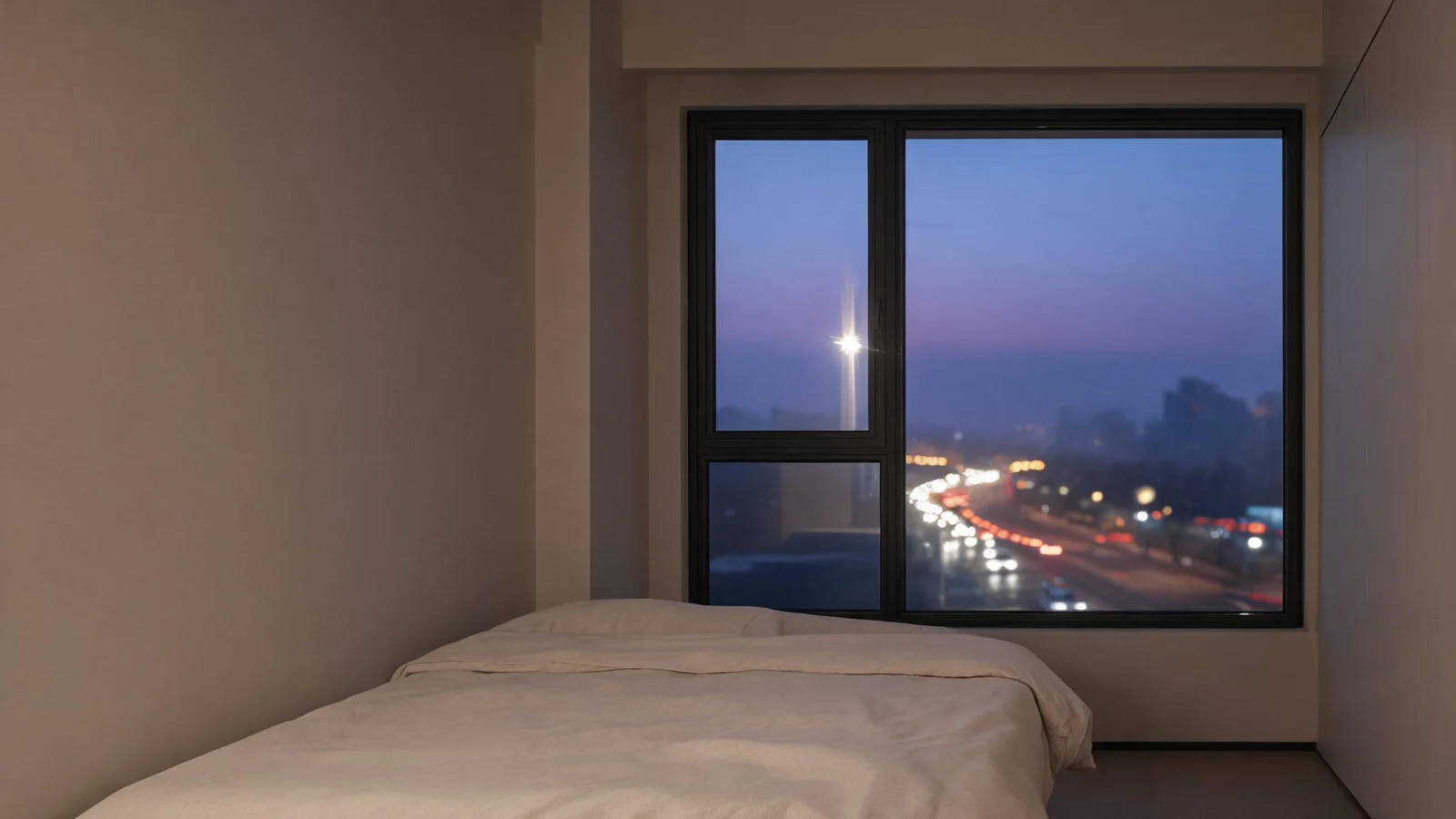
Why Window Design Matters for Noise Reduction
Noise gets in through the weakest points in the building envelope. Windows are usually the main path for traffic, barking dogs, and neighbors. A window that seals tight and uses multiple layers of glass can cut the sound that reaches your living space. Frame material matters too. Wood and aluminum clad wood have different acoustic properties than hollow vinyl or thin aluminum. At WANJIA Hiseng, we build aluminum clad wood windows with solid wood inside and aluminum outside. That gives you a dense frame to block sound and protects the wood from weather.
When comparing windows for sound insulation, look at glass panes, glass thickness, and seal quality. Double pane and triple pane are available on our casement, single hung, sliding, and awning windows. Each style opens differently, which changes how tightly the sash closes against the frame. A casement window presses the sash against the frame with a crank. A sliding window relies on the fit between sash and track. Both work well if seals are good and the frame is rigid.
Casement Windows Seal Up Tight
Casement windows hinge at the side and swing out. Close one and the lock pulls the sash hard against the frame. That gives you continuous contact along the weatherstripping, not just a few touch points. The hardware comes from ROTO, SIEGENIA, and CMECH. The frame is a 6063-T5 aluminum clad wood profile, about 2.0 mm thick. The wood interior can be Burmese teak, black walnut, cherry, or red rosewood. The glass notch is 33 mm, so double, triple, or Low-E glass fits. Built-in grilles or lattice are optional.
For sound insulation, a casement with triple pane glass and a solid wood frame is a strong choice. The hinge side is fixed and the opening side compresses against the seal, so there are fewer air gaps. Air gaps are a common path for sound. If you are replacing old windows in a bedroom or home office, casement windows are a straightforward upgrade. See the full range on our casement windows page.
Single Hung Windows with a Fixed Top Sash
Single hung windows have a fixed upper sash. The lower sash slides vertically. The fixed upper sash means there is no gap at the top of the window. The lower sash locks into place and can be fitted with weatherstripping. Our single hung windows use American Caldwell handles and a multi-point locking system. Wood species: American oak is standard. Burmese teak, dark walnut, cherry, and rosewood are options. The aluminum cladding protects the exterior.
Single hung windows suit traditional home styles. They give you a classic look with modern performance. The fixed upper sash means fewer moving parts, which helps long-term seal integrity. For sound insulation, choose double or triple pane glass with a laminated interlayer. Laminated glass is two sheets of glass bonded with a plastic interlayer. That interlayer dampens sound vibrations. You can learn more about our single hung windows.
Sliding Windows for Wide Openings
Sliding windows move horizontally along a track. They are a good fit for wide openings where you want an unobstructed view. Our sliding windows use hardware from CMECH, HOPPE, HOPO, and KINLONG. The aluminum clad wood profile for sliding windows has a thickness of about 1.5 mm. The wood interior options include Burmese teak, black walnut, cherry, and red rosewood. The glass notch is 33 mm, so you can specify double or triple pane glass.
Sliding windows do not have a compression seal like a casement window. Instead, they rely on brush seals and the fit between the sash and the frame. For sound insulation, the quality of those seals is important. A sliding window with a rigid frame and well-fitted brush seals can still reduce noise compared to an old single pane window. If you are considering sliding windows, look at the sliding windows page for more details.
Awning Windows: Ventilation Without the Noise
Awning windows hang from hinges at the top and push out at the bottom. Bathrooms, kitchens, or combinations with larger units are where you see them most. The top hinge means the sash closes against the frame with a compression seal, like a casement. Hardware comes from CMECH, HOPPE, HOPO, and KINLONG. Wood choices are Burmese teak, black walnut, cherry, and red rosewood. Glass notch is 33 mm.
You can leave an awning window open in light rain because the sash works like a tiny roof over the opening. For sound insulation, that compression seal does the work, especially with double or triple pane glass. In hard-to-reach spots, a crank makes them easy to operate. Check awning windows for full specs.
Triple Pane and Other Ways to Cut Sound
A third glass layer and a second air space. That's what triple pane gives you. The extra layer and air space can reduce sound transmission compared to double pane. Our windows can be ordered with triple pane glass. Low-E glass is also available. Low-E coatings are designed to reflect heat, but they do not significantly affect sound insulation.
Glass thickness, number of panes, width of the air space. Those are the main factors for sound. Laminated glass is another option. It uses a plastic interlayer that helps dampen sound vibrations. When you order windows from WANJIA Hiseng, you can specify the glass package that fits your project. We do not publish acoustic test data for every configuration, but the combination of a solid wood frame, aluminum cladding, and multi-pane glass is a proven approach. For a deeper look at triple pane options, visit our triple pane windows page.
What to Expect When You Order
WANJIA Hiseng is a window and door manufacturer in Foshan, China. We export to North America and other markets. Lead time: usually 25-30 business days, depending on design, materials, and order volume. We get you a quote within 3 hours of receiving project details. Warranty varies by product and contract terms. After the goods arrive, we send installation videos, written guidance, and remote help. We do not do on-site installation.
Our factory is 219,325 sq ft.We have about 450 employees. Dealers, builders, architects. If you are planning a project, you can request pricing or learn more about our manufacturing capabilities.
Frequently Asked Questions
What are the best windows to reduce noise?
Solid frame, multiple panes, tight seals. Casement and awning windows have a compression seal when closed. Single hung windows have a fixed upper sash. Sliding windows can work well with quality brush seals. Triple pane glass and laminated glass add further sound reduction.
What are the best sound proofing windows for a bedroom?
For a bedroom, casement windows with triple pane glass and a solid wood frame are a strong choice. The compression seal and the dense wood frame help block outside noise. Single hung windows with laminated glass are also effective. So choose a window style that fits your home's architecture and your budget.
What are the best window inserts for sound insulation?
Window inserts are secondary glazing panels that fit inside the existing window frame. They add an air space and a layer of glass or acrylic. They can be a good option if you cannot replace the entire window. But they are not a substitute for a well-built window with a solid frame and multi-pane glass. For new construction or full replacement, choose a window designed for sound insulation from the start.
Are window inserts for winter also good for sound?
Window inserts for winter are typically designed to reduce heat loss. They can also help with sound if they are sealed well and use thick glass or acrylic. However, their primary purpose is thermal insulation. For sound insulation, look for inserts specifically marketed for acoustic performance, or consider replacing the window with a double or triple pane unit.